
High-airflow applications perform better with site-fit cooling
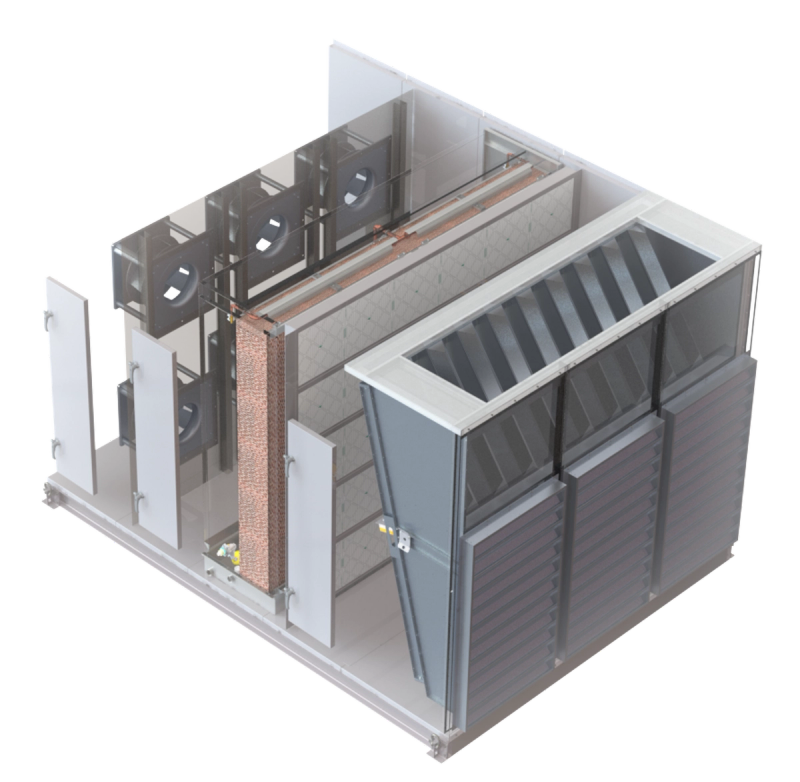
AirEx cuts chiller-hours and lowers energy usage by engineering the complete air-side cooling architecture around your site’s climate, airflow requirements, and operating strategy, not around a standard equipment package.
Chosen by engineers, contractors and owners





Standard cooling assumptions can drive more mechanical cooling than the application really needs
Many cooling architectures are still designed around peak mechanical load, not around the site conditions where air-side cooling should be doing more of the work.
That leaves air-side cooling potential on the table and drives more mechanical cooling hours than the design intended. The result is higher energy usage and a higher CapEx cost for an overbuilt cooling architecture.
Underused air-side cooling
Your site may have more outdoor-air cooling hours available than the installed architecture can capture, so the system falls back to mechanical cooling sooner than the design intended.
More mechanical cooling than necessary
When air-side strategies are not fully captured, mechanical refrigeration runs harder and longer. That raises energy costs and increases equipment wear and tear.
A system that fits the package, not the site
Designing around standard packaged assumptions or worst-case mechanical demand can drive more cooling equipment and larger electrical distribution than the site’s real air-side potential should require.
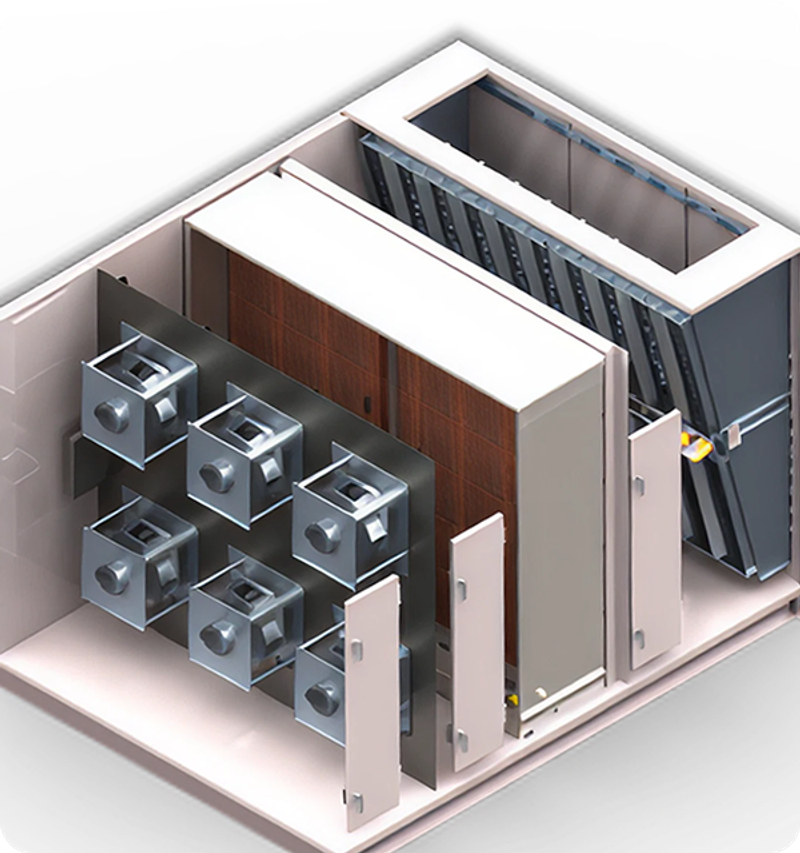
Design your cooling architecture around your site, not a packaged compromise
AirEx is Blender’s modular air-side cooling platform. It’s configured around the site’s climate, airflow requirements, and operating strategy to reduce mechanical cooling burden and improve system fit across a wide range of applications. Our configurations can include:
- Capture more economizer hours
- Reduce mechanical cooling burden
- Avoid defaulting to a packaged OEM system

Design for site conditions to reduce mechanical cooling burden
By integrating air-side economizing as a core design element, MEP engineers can shift more annual cooling hours to outdoor air instead of mechanical refrigeration. This reduces mechanical refrigeration hours and lowers energy use.
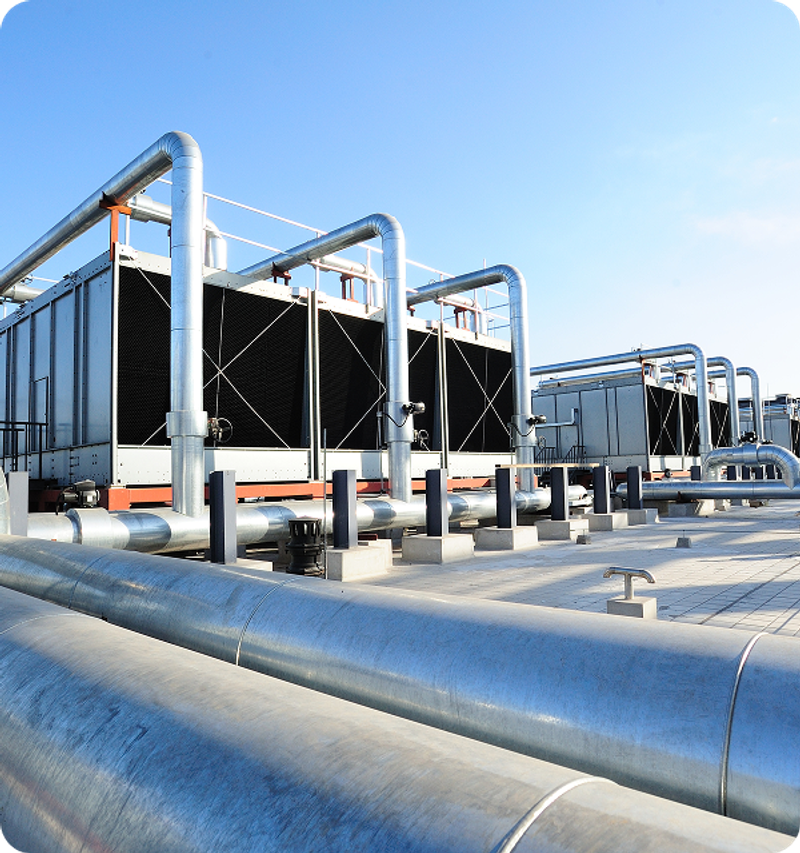
Reduce mechanical cooling burden with a site-fit air-side strategy
AirEx integrates economizing, staged evaporative cooling, and hybrid support where needed to reduce the mechanical refrigeration capacity required to meet peak load. That helps right-size the system around the application instead of a packaged compromise.
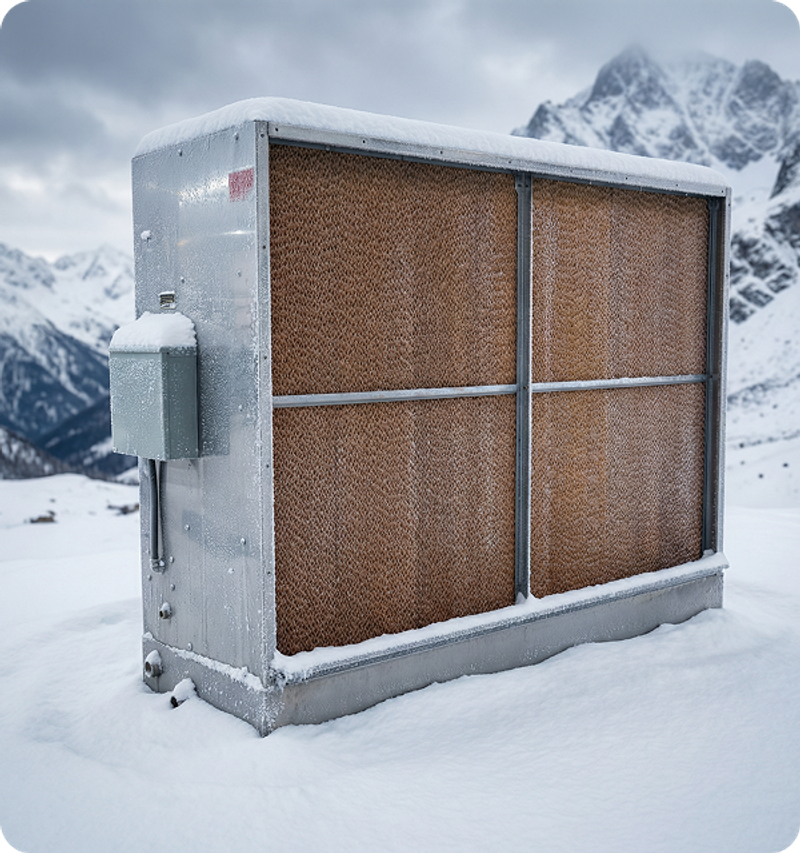
Engineer for operating conditions, not just catalog assumptions
AirEx is engineered for multiple operating modes, including economizing, evaporative cooling, and mechanical cooling. Where the application calls for it, AirEx can be configured as a complete package unit with centralized controls, reducing multi-vendor coordination and supporting installation, startup, and BMS integration.
What it looks like to work with Blender
01
Site & load assessment
We model your climate, load profile, and target PUE to identify the cooling architecture that fits.
02
Custom architecture & equipment selection
Our engineers design the air path, controls, and equipment package against your real operating modes.
03
Build, commission, optimize
We support delivery, commissioning, and ongoing tuning so the system performs at design year after year.
What engineers say about working with Blender
"“These guys can build it how you need. . . They can do direct or indirect EVA cooling. Direct or indirect fired gas, heat fan arrays, special filtration, different shapes or orientations. . . They have a unique custom capability. They can tailor the product to meet the needs of either the engineer or the project. And what they're offering is high quality and fast turnaround for that design process. And a unique configurability that not a lot of manufacturers are offering.”"
Randy Reed
Director, Engineering Support
Norbryhn Equipment Co
Allia DataCool performance data
AirEx DataCool performance data
These are AirEx DataCool performance data for engineers evaluating cooling architecture early. Read each claim with the qualifiers Blender uses: in suitable climates, in suitable applications, and after site-specific analysis.
PUE 1.05–1.08
Achievable in suitable climates when air-side economizing and staged evaporative cooling handle most of the cooling load.
80–90%+ energy savings
Energy savings vs. CRAC or CRAH units in suitable applications. NREL-backed AirEx materials also cite 30–80% savings in ASHRAE climate zones 4+.
20,000–78,000 CFM
The AX-DataCool, AirEx’s data center AHU configuration, has a documented airflow range of 20,000-78,000 CFM, with custom sizing available.
Complete package-unit option
AirEx DataCool can be delivered as a complete package unit with centralized controls, helping reduce multi-vendor coordination and support startup, service, and BMS integration. AirEx contains patented CB-Economizer technology (see CB Case Studies).
8,760-hour modeling
Every AirEx project includes TMY3 weather modeling across all annual operating hours, plus water-use analysis and identification of hours needing supplemental cooling.
Questions engineers ask about Allia DataCool
How does Allia DataCool compare to packaged CRAH or rooftop units?
Allia DataCool is a custom-engineered air-side architecture rather than a packaged unit. We design the air path, dampers, and controls strategy around your site, which typically yields more free-cooling hours and a tighter PUE than off-the-shelf solutions.
What climates is air-side cooling viable in?
Almost any climate. The economizer strategy adapts — dry climates favor direct economizers, humid climates use indirect or evaporative paths. We model your specific wet-bulb and dry-bulb profile to confirm savings.
Can this retrofit into an existing facility?
Yes. We have multiple retrofit deployments where we redesigned the air path and controls without replacing the entire mechanical plant.
How long does an assessment take?
Most assessments produce a report with PUE projections and equipment recommendations within 4–6 weeks of receiving site data.
Get an assessment
See how much of your cooling load can shift to outdoor air
Share a few details about your site and we'll come back with a no-cost preliminary analysis showing chiller-hour reduction and PUE impact.